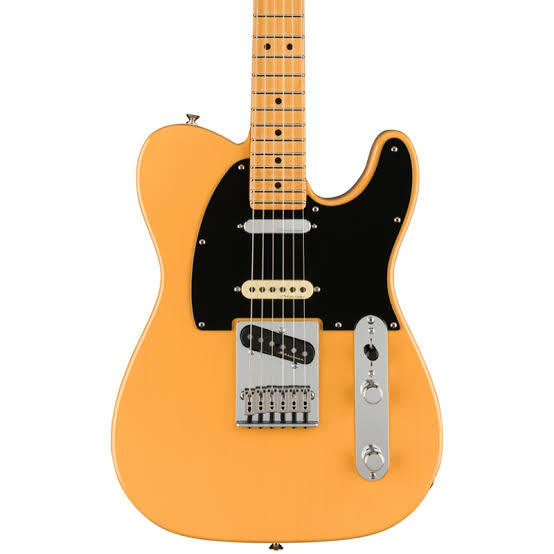
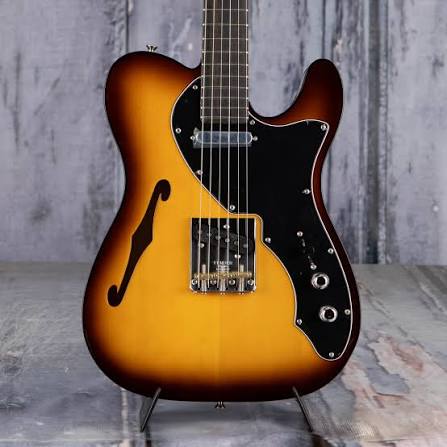
So the basic concept of how an electric guitar works is the creation of small amounts of electricity through the vibration of the steel strings within the magnetic field of the pickups. The amount of electricity is proportionate to the speed of the vibrations.
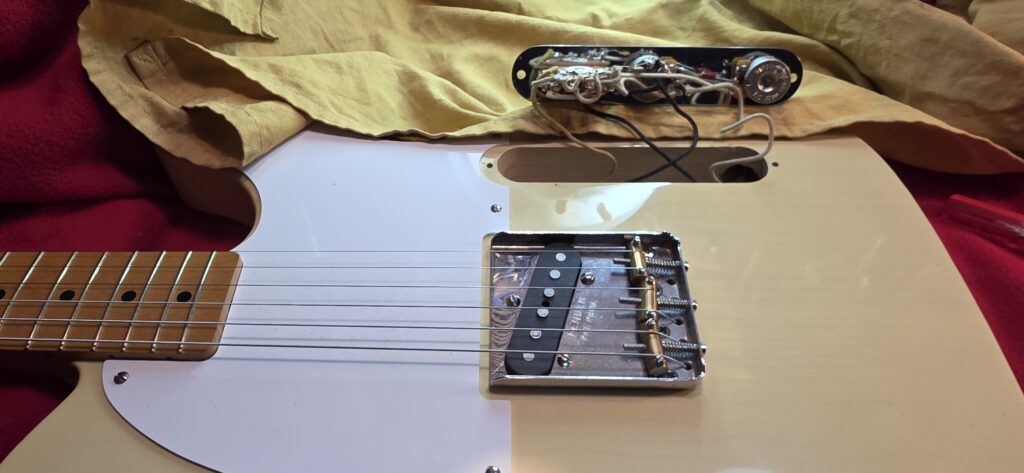
The photo above shows a Fender Esquire with the control plate exposed.
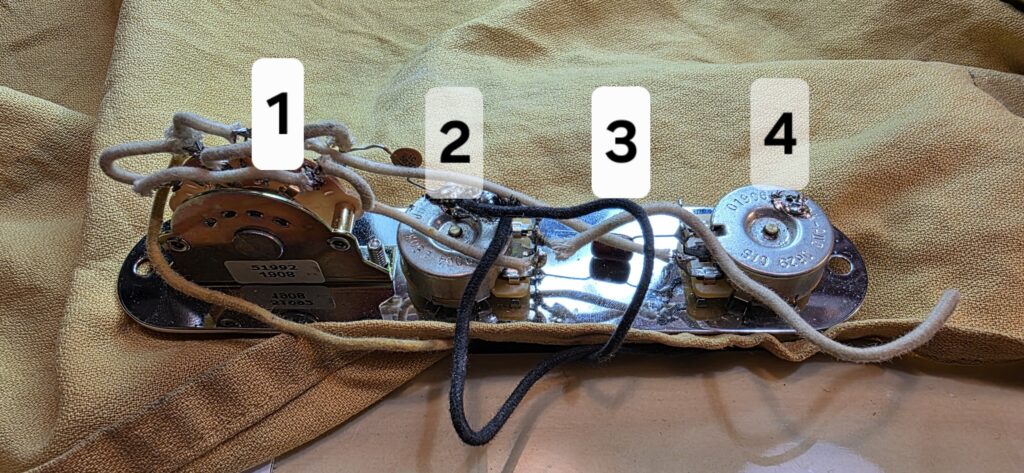
- Three way selector switch which can change the flow of electricity to different components
- Volume potentiometer which changes the volume. A potentiometer is really a variable resistor; turned up = no resistance, turned down it resists the flow of electricity
- Capacitor which cuts out high frequencies
- Tone potentiometer which allows electricity to flow to the capacitor, thereby cutting out more high frequencies the more you turn it up
- yellow wire on the left is the current from the pickup
- white wire on the right is the current going to the output jack (to amp)
The Fender esquire is one of the most simple electric guitars featuring only one pickup and one volume, and one tone. Most guitars have two or three pickups, and three or four pots.
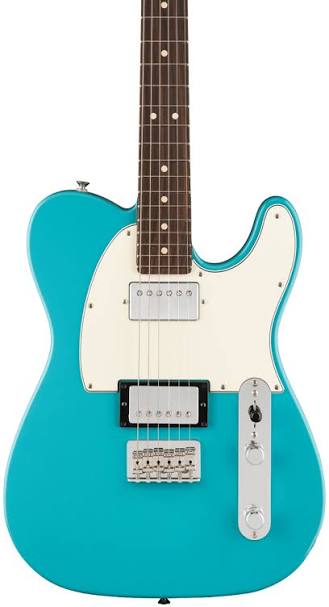
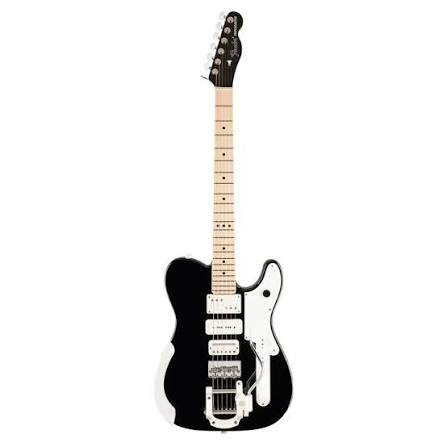
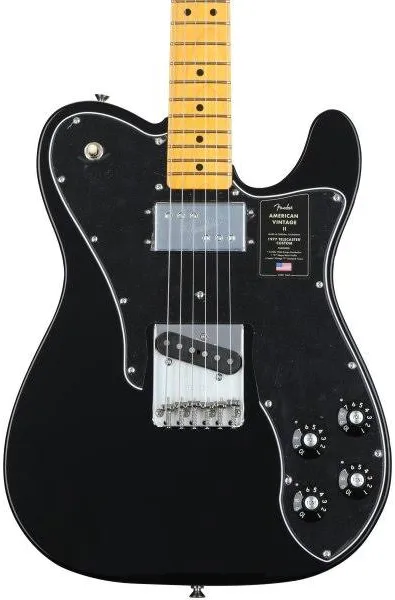
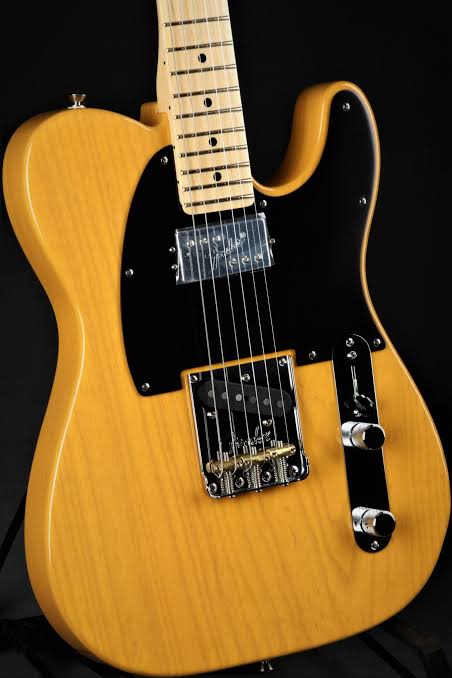
Because the Fender Esquire and Telecaster are so simple they are often considered the most commonly modified type of guitar. Many players of telecasters and Esquires take the effort to modify them, such as:
- Replacing pickups with different specs
- adding more pickups
- Adding a selector switch with more positions
- adding parallel and series options
- changing the layout of the controls
- different capacitors
- different string saddles
- different bridge plate
- different pickguard
- built- in preamp